10 November 2025

The future of waste collection at the conference organised by GREENEXT at Ecomondo 2025, amidst innovative solutions, new challenges, and prospects for Italy.
Indice degli argomenti
ToggleWhat challenges must the waste collection sector currently face, split between an increasingly advanced average age of its operators and evolving technologies? Luca Del Col Balletto, CEO of Partitalia srl, addressed this issue, presenting the solutions of the new brand Innovation4Waste by Partitalia at the meeting AI and Waste Management, from operational handling to decisional governance, organised by GREENEXT Technologies SpA at Ecomondo 2025 on 5th November.
The conference offered an overview of the current scenarios for using artificial intelligence applied to waste collection and future prospects. It highlighted how the integration of IoT systems, AI, and robotics generates solutions with ever-increasing potential, yet ones that will require extensive work to adapt them to a sector with specific needs, such as that of waste collection.
Launched in 2023, the Innovation4Waste by Partitalia brand this year, for the first time, brought its ecosystem of innovative IoT solutions for waste collection to Ecomondo. This is a complete portfolio of Cloud-connected solutions for various application contexts within the smart city, which includes both RFID readers for curbiside (door-to-door) data collection and systems for controlled-access delivery, as well as tracking and monitoring.
“We must understand what the future of this sector is, because that is where all our investments stem from,” explained Luca Del Col Balletto. “Waste collection remains a strenuous activity, one that is unattractive to younger generations, with an average age of 48 for ecological operators and an ever-increasing difficulty in finding new labour, also due to the decline in the demographic curve.”
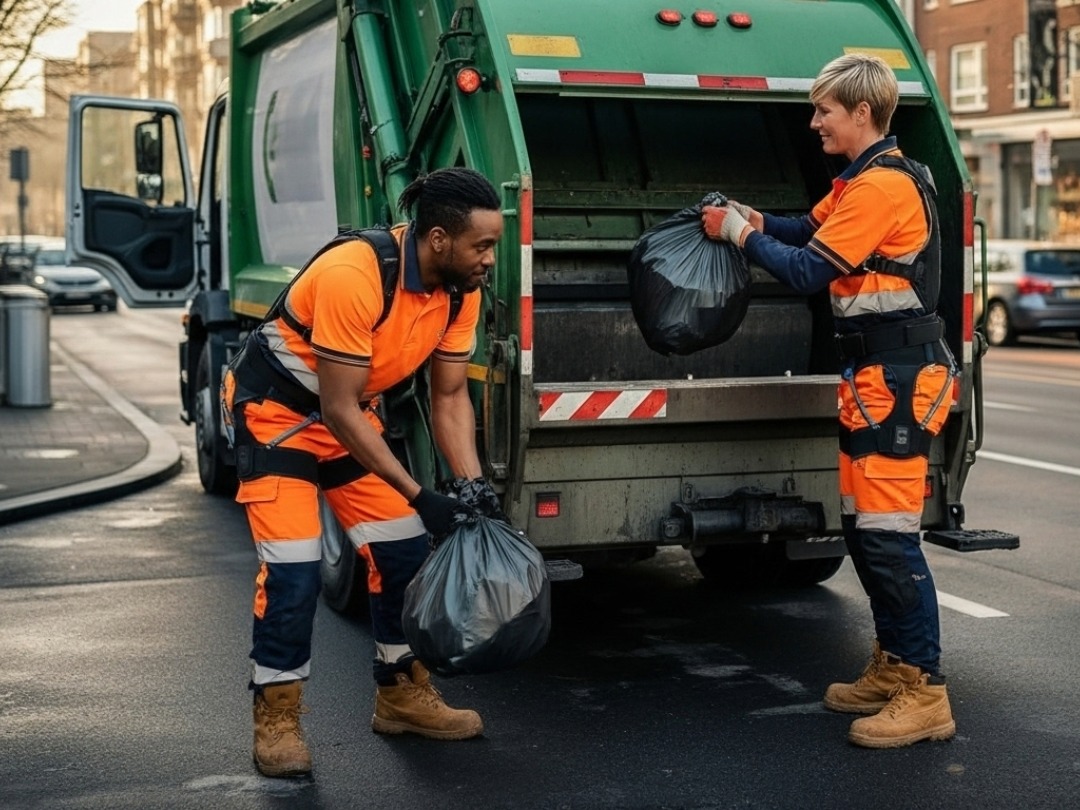
In this context, the first and most urgent necessity is to reduce the fatigue experienced by the ecological operator. A viable solution is offered by exoskeletons, which are wearable systems — either active or passive — that improve the execution of required tasks.
Exoskeletons bring significant advantages, such as the reduction of musculoskeletal strain, fatigue, and injuries, with a consequent drop in associated indirect costs. There are, however, several aspects that require improvement, such as usability and acceptance by the workers. “We have been working on the exoskeleton project for some time now alongside the Politecnico di Milano to develop systems that are increasingly comfortable and high-performing,” added the Partitalia CEO. “We have funded several scholarships, with the aim of contributing concretely to defining the future of collection.”
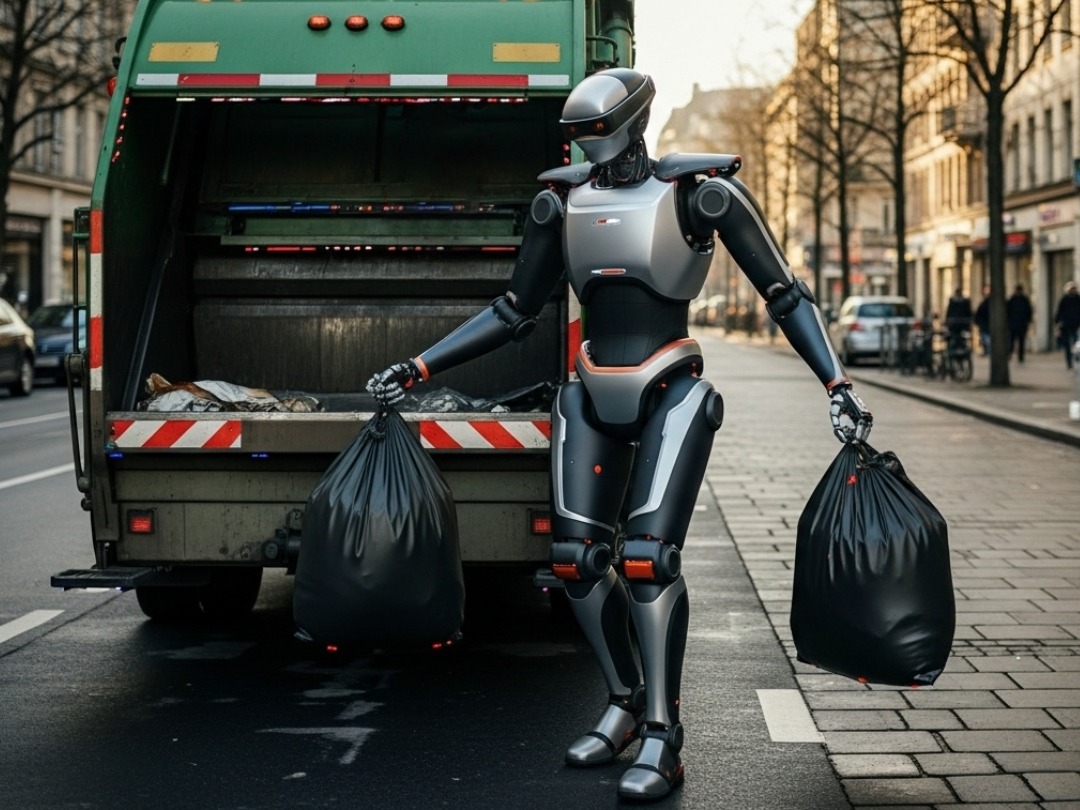
The world of waste collection is seeing the emergence of increasingly futuristic technological solutions, starting with humanoid robots, which can potentially perform the same tasks as human beings and do not have prohibitive costs — investments, in fact, start from €15,000, and no infrastructure re-engineering is required. However, there are limitations: these solutions are ideal for indoor environments, while waste collection is, by its very nature, an outdoor activity. Questions related to regulations and the social acceptance of these technologies also remain open.
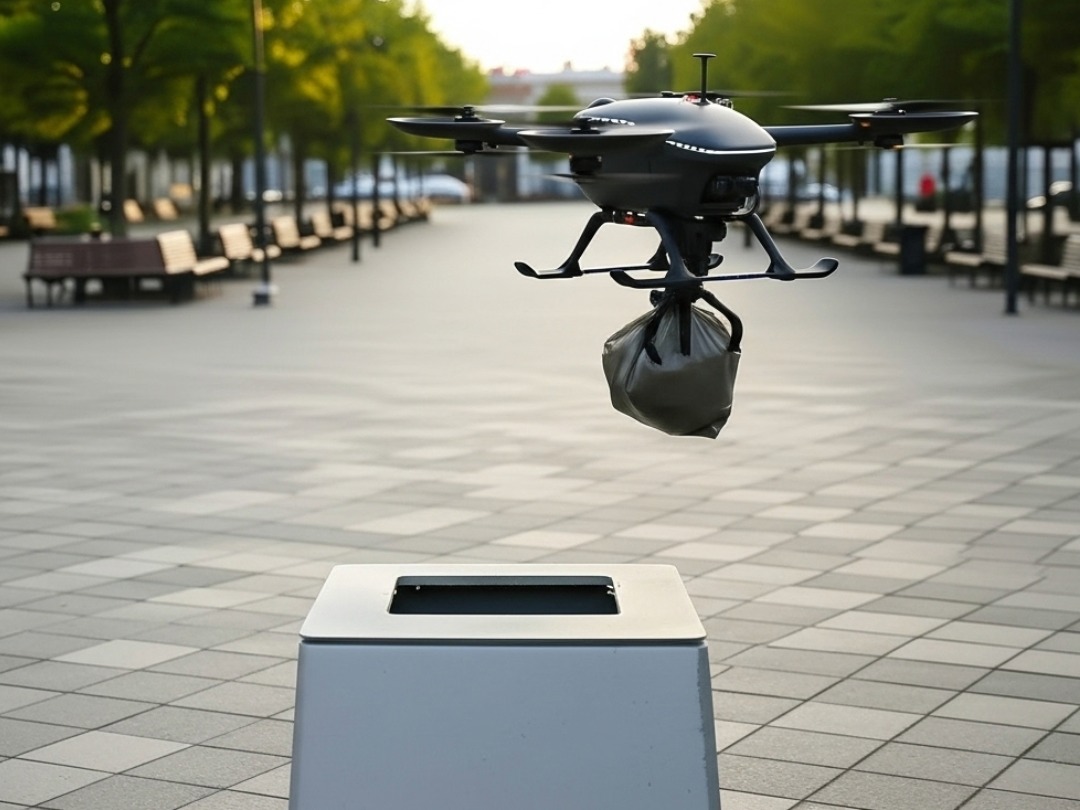
Then there are drones, which are easy to use and precise, but they entail issues related to air space regulation, load limits, and — another non-trivial aspect — weather conditions.
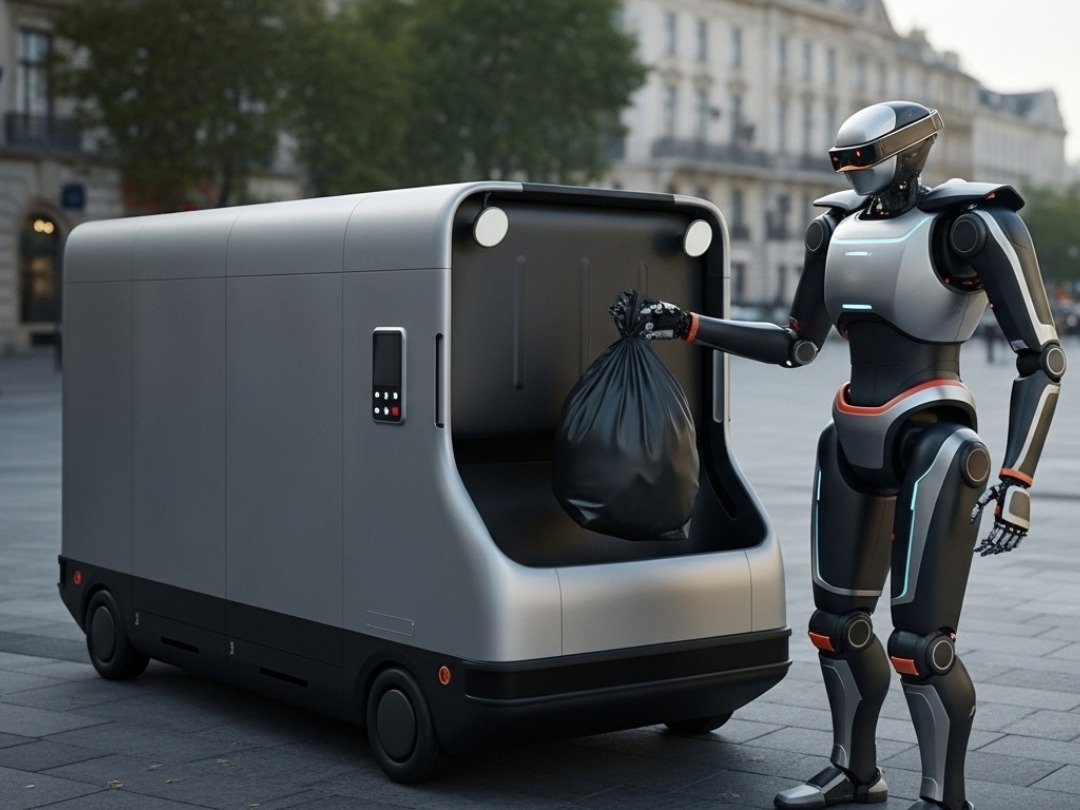
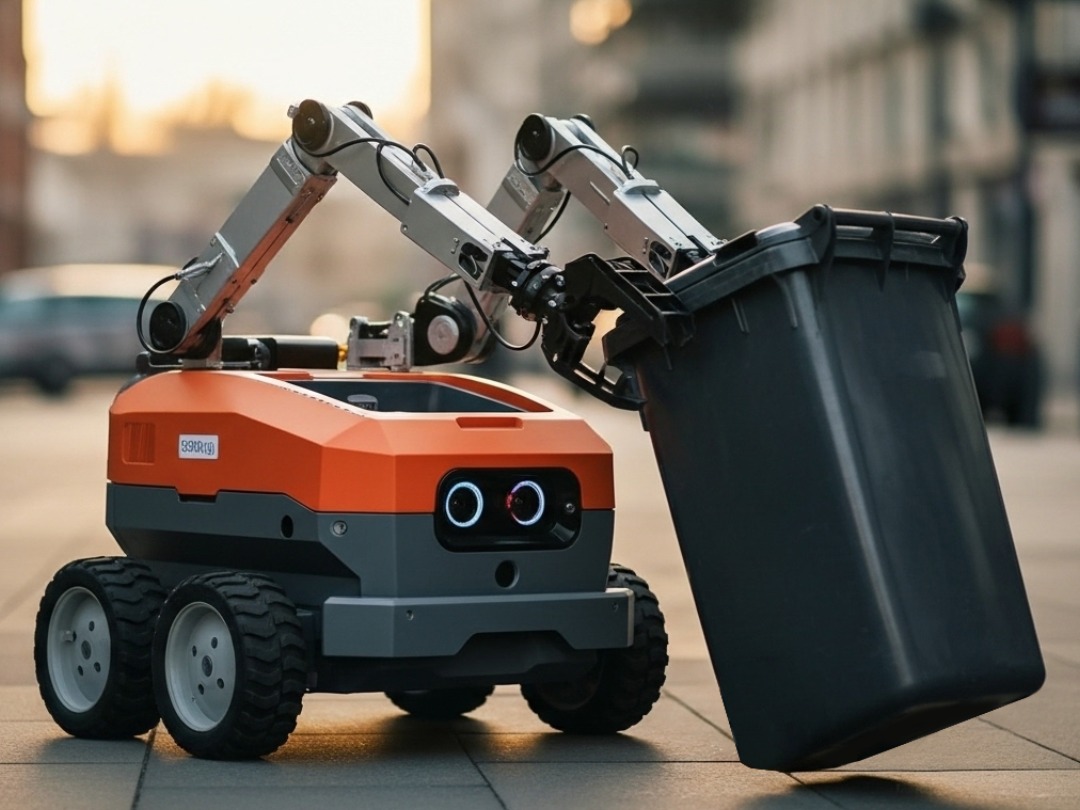
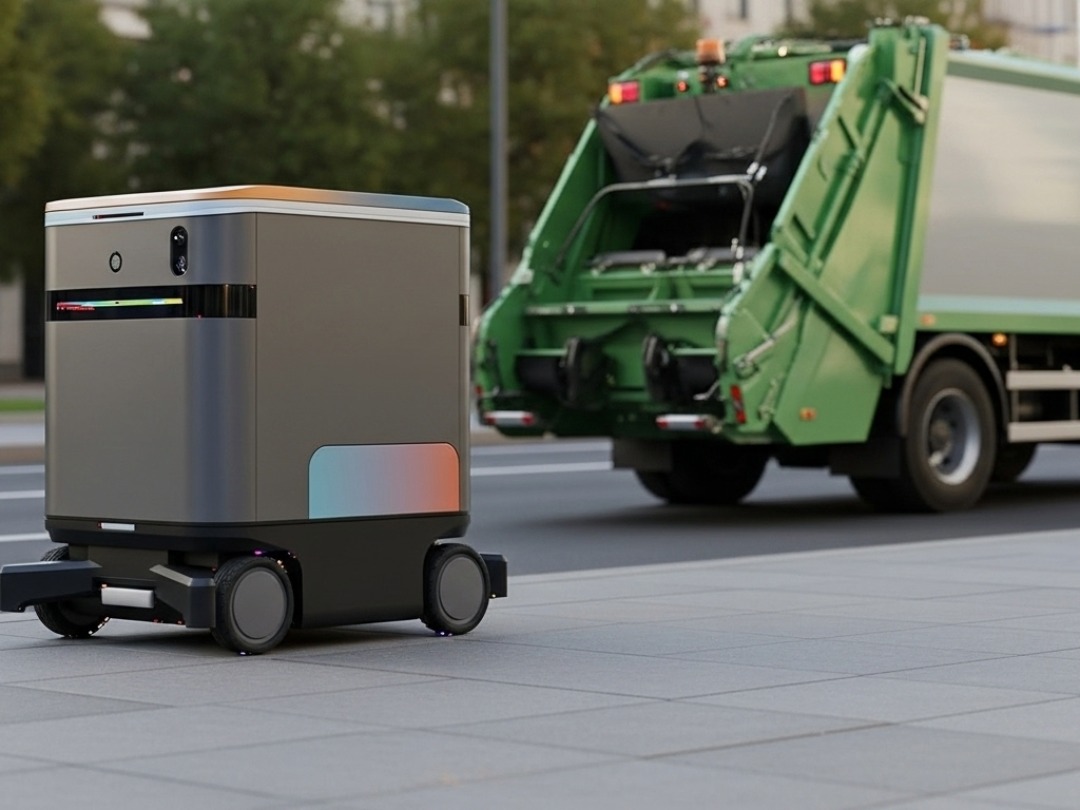
Furthermore, mobile robots and smart bins are two effective solutions for reducing manual lifting and optimising routes, but they are exposed to security problems, such as theft and vandalism, as well as limits related to operational capacity and battery autonomy.
“Those operating in waste collection today are called upon to face enormous changes, which require the involvement of dedicated teams external to the traditional human resources of companies in the sector, and significant investments for the development of advanced software and the implementation of genuine technological scouting strategies,” concluded Del Col Balletto. This scenario represents a great opportunity for the waste collection market and, in particular, for Italy, which already boasts an advanced level of technological innovation in this field. “It is necessary, however, that the actors in the sector work together through consortia, foundations, or other forms of collaboration, to define common standards and conduct shared tests. This could provide a further boost to the sector, transforming it into one of the driving industries of our country.”
RELATED EVENTS
This site uses technical and profiling cookies.
You can accept, reject, or customize the cookies by clicking the desired buttons.
By closing this notice, you will continue without accepting.
By accepting, you acknowledge that your personal data may be collected for the purpose of personalizing and measuring the effectiveness of advertising.
Privacy Settings
This website uses cookies to improve your experience while you navigate through the website.
View the Cookie Policy View the Personal Data Policy
YouTube is a video content visualisation service provided by Google Ireland Limited. This service allows this Website to incorporate content of this kind on its pages.
This widget is set up in a way that ensures that YouTube will not store information and cookies about Users on this Website unless they play the video.
Place of processing: Ireland - Privacy Policy
Google reCAPTCHA is a SPAM protection service provided by Google Ireland Limited.
The use of reCAPTCHA is subject to the Google privacy policy and terms of use.
Place of processing: Ireland - Privacy Policy